01The photograph
4032 × 3024 · lot lighting · handheld
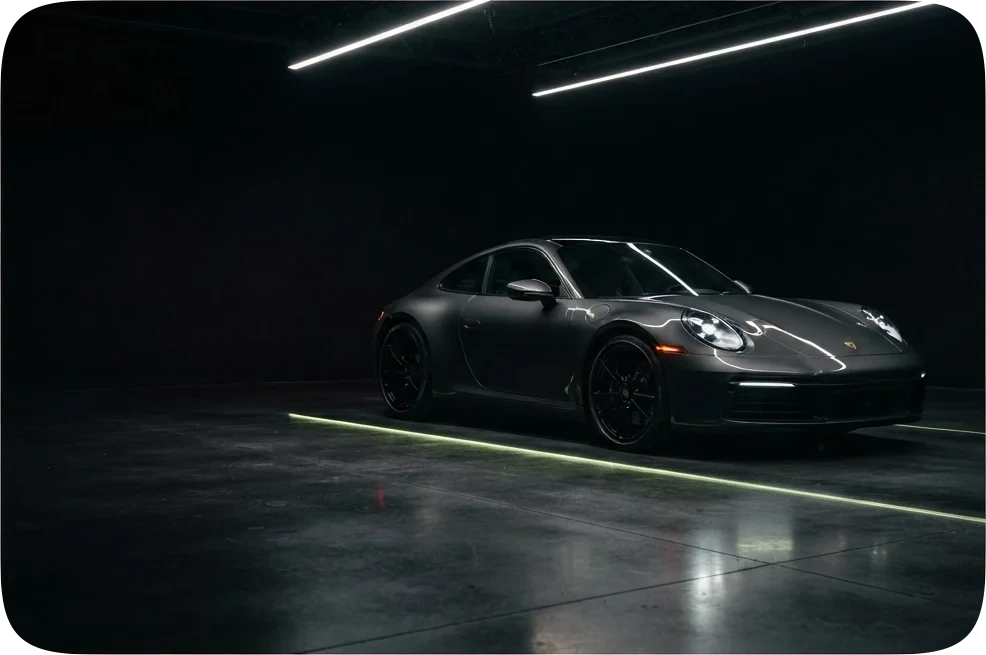
The same vehicle imagery a buyer sees on the listing, including imperfect angles, inconsistent lighting, reflections, and low-quality photographs.
One model reads the photographs and says where the damage is. Another prices it. Every estimate is stored beside the invoice that settled it, so the next estimate is answerable to the last one: the defect that was found, where it was on the car, how bad it was, and what it cost.
That join is the whole point. A model reading photographs alone can tell you a bumper is damaged. A model reading photographs that are linked to invoices can tell you what that damage costs, because it has seen what was actually paid.
Proprietary vehicle data
A pipeline of our own, priced the way dealership buyers and insurers actually evaluate vehicles.
The difference is the data. An estimate starts from a costed labor guide and is corrected by what this dealership’s own repairs actually came to.
Three things read a photograph, and they are not the same kind of thing. Our computer vision model finds where the damage is on the panel. A pretrained language model describes what it is and how bad. Our own records of what the repair actually cost decide what it is worth.
Our detection model
Localization of visible damage, published on Hugging Face.
huggingface.co/buckets/shalin-code/bucepha-cardamage-detectionOur dataset, never shared
The corrections dealerships make, joined to the invoice that settled the repair. It stays in our own storage and is not published, sold, or used to train anybody else's model.
Pretrained language model
Reads each photograph and writes what it sees, in the words a body shop prices from.
The two models read the same photograph independently and are compared afterwards. Agreement makes a finding stronger. Disagreement is kept rather than resolved, and the report says so, because a confident answer nobody checked is worth less to a buyer than an honest doubt.
Training support
1,284 similar repair records
More linked repairs behind a defect means a tighter estimate. Fewer means the model reports lower confidence rather than committing to a number.
The model does not simply learn what damage looks like. It learns what that damage means financially.
One vehicle. One ground-truth record.
Photo
The same image quality a buyer sees.
Defect
Identified and located by a dealership professional.
Repair
What the dealership actually decided to fix.
Invoice
What the repair actually cost.
Estimate
Answerable to the whole record.
A general vision model can identify a car, a wheel, or a damaged bumper. It does not know that a particular bumper was resprayed, whether the finish is acceptable, or what that repair actually cost in a specific market. We train on the complete record.
Generic vision
What will it cost?
Guess
Vehicle defect intelligence
What will it cost?
Learned from real repairs
Every training example connects what the vehicle looked like, what was wrong with it, and what it actually took to put it right.
4032 × 3024 · lot lighting · handheld
The same vehicle imagery a buyer sees on the listing, including imperfect angles, inconsistent lighting, reflections, and low-quality photographs.
3 marks · severity 1 to 5
Every defect is placed exactly where it appears and assigned a severity from one to five. The annotation becomes the same numbered reference the product uses when reporting the vehicle.
Repair order, illustrative
| Bumper refinish | $480 |
| Wheel repair | $140 |
| Tire replacement | $120 |
| Total | $740 |
The repair invoice connects the visual defect to the actual work performed and the actual amount paid. Line by line.
1,284 similar repair records
17 similar repair records
More historical examples behind a defect produce a tighter estimate. Where the record is thin, the model widens the range and says so rather than implying a precision it does not have. Counts shown are illustrative.
Repair economics vary by market, repair facility, vehicle, part, severity, and historical repair behaviour. The same bumper respray is not the same number in two cities, so the pricing side of the model prices from where the work was actually billed rather than from a national average.
Estimated cost, bumper respray by market
Illustrative
Learned from historical repair transactions rather than scraped generic estimates.
A model is only as good as what it was shown.
01Annotation
Ground-truth record
Reviewed
Generic dataset
This platform
Ground truth is not what someone thinks the repair should cost. Ground truth is what the repair actually cost.
The data advantage compounds
A larger pile of photographs teaches a model what a bumper is. A larger pile of records that join visual condition to the repair that followed and the amount it cost teaches it what a bumper is worth. Those are different assets, and only one of them gets harder to copy over time.
Illustrative. Each row adds the dimensions a larger linked record set can separate.
Turn dealership and insurance records into a vehicle intelligence system priced from the defects, repairs, and costs that matter.